

Sustainable Decluttering in 2026: Less Waste, Smarter Choices
Get an Instant Online Quote
"*" indicates required fields
Decluttering in 2026 looks different from what it did a few years ago. People now think about waste, reuse, and long-term value first. Many households want less stuff, but they also want smarter home systems. As a result, choices feel more intentional. You pause before tossing items. You ask where things go next. And you also think ahead to moves, storage needs, and local rules. This mindset supports calmer homes and fewer rushed decisions. It also fits well with tighter housing layouts and higher moving costs. The goal stays simple. Keep what serves daily life. Let go of what does not. This approach helps both small apartments and larger family homes. It also sets the tone for sustainable habits that last.
Decluttering in 2026 Focuses on Waste Reduction First
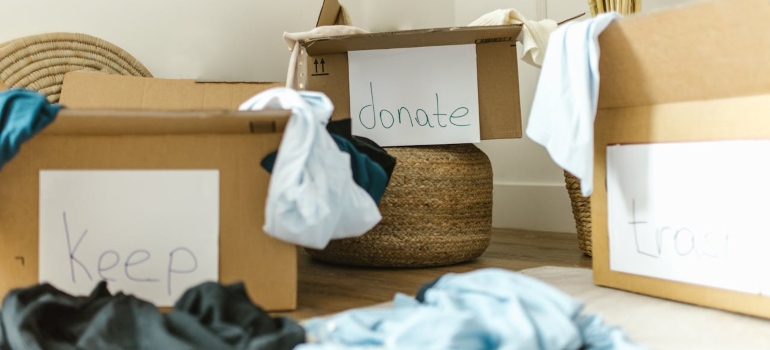
Sustainable sorting begins with slowing down. Instead of quick cleanouts, people now sort with purpose. 2026 decluttering means thinking about reuse before disposal. Start with one room. Then move in stages, category by category. Clothing, papers, and kitchen items usually go first. Short sessions work best. They reduce burnout and rushed mistakes. Use clear piles and label them. This keeps decisions consistent.
Create only what you can manage. One helpful method uses five paths:
- Keep for daily use
- Donate locally
- Recycle through approved programs
- Store for future need
- Dispose as a last option
Atlanta metro residents should also check local recycling rules. Some plastics require drop-off centers. Electronics follow special disposal schedules. County websites list updated guidelines. Following them avoids fines and keeps materials out of landfills.
Decluttering for Relocation
Moves often force fast decisions. That pressure leads to waste. Planning early changes everything. Downsizing in 2026 before a relocation lowers moving costs. It also shortens packing time. Start sorting at least two months before moving day. Focus on items that rarely get used. Seasonal décor and extra furniture usually top the list.
Relocation works best with a clear inventory. Write down what moves with you. Everything else needs a destination. Donation centers in the Atlanta metro area accept furniture, clothing, and household goods. Some require appointments. Others limit drop-off days. Planning ahead avoids last-minute dumping.
Storage Choices that Support Sustainable Homes
Not everything needs to leave the house. Home storage can solve short-term needs. Under-bed bins, vertical shelving, and labeled closets help keep order. The key is access. If you cannot reach items easily, they likely do not belong.
Professional storage, such as storage units in Marietta GA, fits different needs. Climate-controlled units protect sensitive items. Drive-up units suit tools or seasonal gear. Atlanta metro facilities often offer both. Ask about energy-efficient lighting and recycling programs. Some facilities now support eco-friendly practices.
Use storage with clear rules. Set a review date. Visit the unit at least twice a year. Remove what no longer matters. This keeps storage from becoming hidden clutter. Downsizing in 2026 works best when storage stays intentional.
One area that needs extra care is hazardous waste. Paint, chemicals, and batteries follow strict rules. Atlanta-area counties host special drop-off events. Missing these rules can lead to penalties. Always check official guidance before disposal.
Get Acquainted With Disposal Rules and Regulations
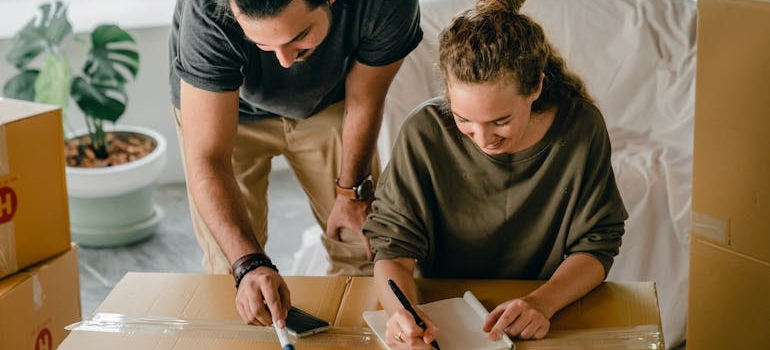
When relocating or decluttering, understanding local disposal rules and regulations is crucial. In the Atlanta metro area, for example, waste disposal is governed by specific guidelines that ensure sustainability and proper management. Many cities offer curbside recycling services for everyday items, but there are restrictions on what can be recycled. For larger or hazardous items, such as electronics or chemicals, specialized drop-off locations or collection events are often required.
Atlanta’s recycling program follows a single-stream system, meaning that all recyclables can be placed together in one bin, but items like plastic bags or Styrofoam must be avoided. It’s also important to know when bulky waste collection is scheduled in your area. By staying informed about local regulations, you not only contribute to reducing waste but also ensure that you dispose of items responsibly and legally. Check your city’s website or contact local authorities for the most up-to-date disposal guidelines.
Building Habits that Last Beyond the Cleanout
Sustainable decluttering does not end with one project. Daily habits keep clutter from returning. Pause before new purchases. Ask where items will live. Choose quality over quantity. Small routines help, such as monthly check-ins or seasonal reviews.
Keep donation boxes handy. This makes letting go easier. Revisit storage areas often. If something stays unused for a year, reconsider its place. 2026 decluttering supports progress, not perfection. Every small step counts. Most people notice more space and less stress. Homes feel easier to manage. Moves feel lighter. Storage costs drop. These results reinforce better habits over time.
Decluttering Tips & Tricks
Here’s how to declutter with intention according to our GA movers:
- Start with one room at a time: Focus on one area before moving on to the next to avoid feeling overwhelmed. Begin with high-traffic spaces like the living room or kitchen.
- Tackle your wardrobe: Go through clothes seasonally, donating items you haven’t worn in the past year. Organize clothes by category—tops, pants, jackets—and use storage bins for off-season clothing.
- Declutter your kitchen: Remove expired food, duplicate items, and gadgets you rarely use. Organize pantry shelves and drawers by grouping similar items together for easy access.
- Clear out your bathroom: Discard old, unused toiletries and expired medications. Keep only the essentials and organize them in labeled bins or drawer organizers.
- Organize your office: Sort through paperwork, recycling outdated documents. Use filing systems for important paperwork, and organize office supplies in drawers or containers.
- Sort through the living room: Declutter surfaces by removing unnecessary décor and stray items. Use storage solutions like baskets or ottomans to hide electronics and books.
- Simplify your bedroom: Keep your bed neat and tidy. Clear out unnecessary bedding, shoes, and accessories to create a serene space. Organize nightstands with just a few essentials.
Use Junk Removal Services in 2026
Using our Mariettea GA junk removal services in 2026 can make decluttering in 2026 more efficient and eco-friendly. These services assist with removing large or unwanted items, saving you time and effort during your 2026 decluttering process. Professional junk removal companies handle everything from old furniture to electronics, ensuring proper disposal or recycling. Many of these services prioritize sustainability by using eco-conscious disposal methods, making it easier to manage waste responsibly. Whether you’re downsizing in 2026 or just clearing out your space, junk removal services provide a simple solution for handling clutter while supporting sustainable practices.