
Tips for Relocating During Winter
Get an Instant Online Quote
"*" indicates required fields
Relocating during winter can be tricky. Cold weather, snow, and shorter daylight hours can make moving more complicated. However, with a bit of planning, you can make sure everything goes smoothly. SkyEx Moving and Storage Atlanta covers the common issues people face when moving in winter and gives you actionable tips to make your move easier.
Weather Considerations When Relocating During Winter
Winter weather is the biggest factor to consider when relocating during the colder months. Snow, ice, and freezing temperatures can slow down the moving process, making travel unsafe and damaging your belongings. Always check the weather forecast leading up to your move. If there’s a storm expected, you may want to adjust your moving day or plan for delays. If postponing is not an option, make sure you’re prepared with extra moving equipment and warm clothing, so you’re comfortable no matter the temperature.
What about the items you are relocating? Extreme temperatures can be damaging to furniture and electronics. If possible, avoid leaving your belongings in the cold for too long. Wrap your items well with moving blankets, bubble wrap, or weatherproof materials to prevent any damage during transit.

Transportation Challenges
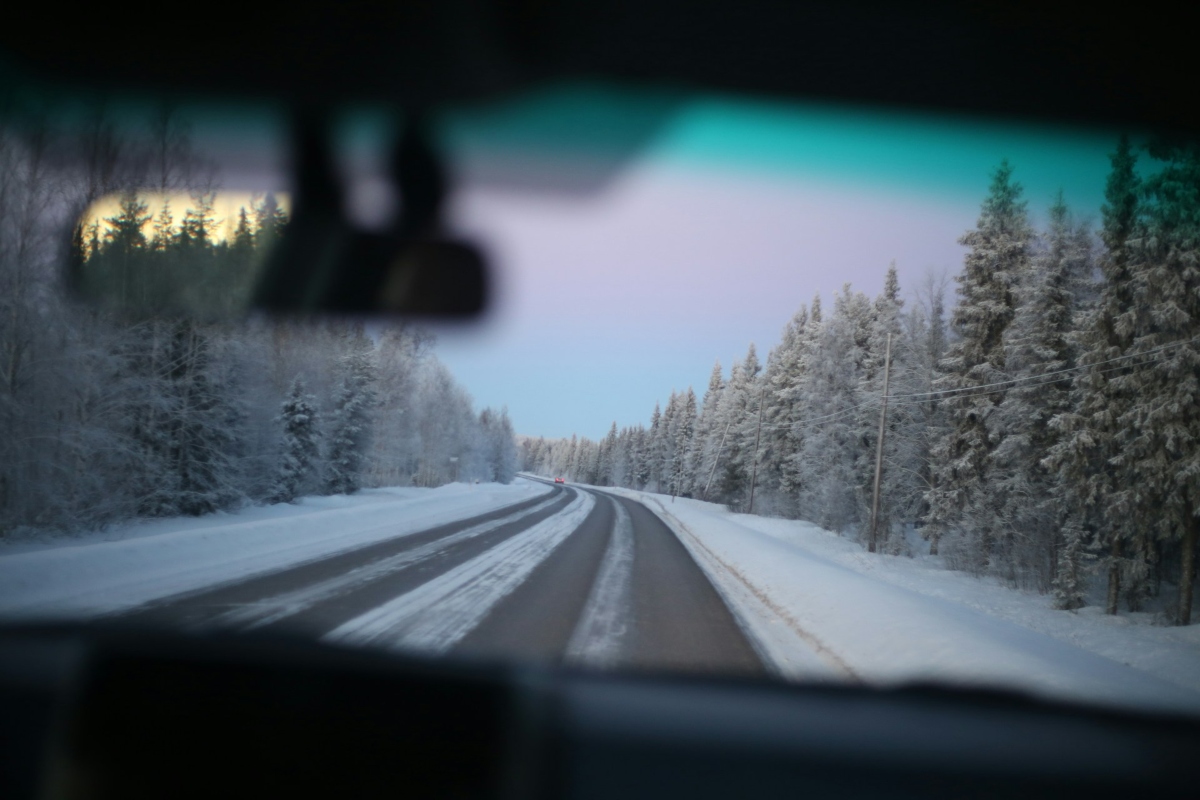
Driving during winter is another common issue. Icy roads and slush can make it more difficult to move heavy boxes, and the cold can cause delays. So,
- Prepare Your Vehicle – If you’re handling the move yourself, make sure your car or rental truck is ready for the weather. Check the tires, ensure there’s enough antifreeze, and have a winter emergency kit in the car. Include items like an ice scraper, salt, a shovel, and extra blankets.
- Consider Professional Movers – For added convenience and peace of mind, consider hiring professional movers, such as local movers in Marietta GA. They are equipped with the right tools and knowledge to move safely in winter conditions. Plus, they can handle snow or ice around your property, making it easier to move in and out.
Limited Daylight Is One of The Main Transportation Challenges
Winter days are shorter, which means less time to get everything done before dark. This can feel like a rush, especially when you’re dealing with furniture and heavy boxes.
- Start Early – The earlier you start, the more likely you are to finish before the sun goes down. Aim to begin the move early in the morning so you can take advantage of the daylight. If possible, get help from friends or family to speed things up.
- Have Lighting Ready – If your move continues after dark, make sure you have enough lighting, especially if you’re in an area without good street lighting. Flashlights or battery-powered lights can help when you need them most, especially when unloading boxes in the dark.
Slippery Surfaces
Slips and falls are common in winter due to icy or snow-covered walkways. It’s important to think ahead to avoid accidents while moving.
- Salt or Sand Your Walkways – Before moving anything, make sure your driveway, sidewalks, and any outdoor steps are salted or sanded. This will reduce the risk of slips and make it easier for movers (and yourself) to navigate around the house.
- Wear Proper Footwear – Wear boots or shoes with a good grip to reduce your chances of slipping. This is especially important when carrying boxes or furniture. Don’t take any chances by wearing shoes that don’t provide enough traction.
Packing Materials You’ll Need When Moving in Winter
First and foremost, sturdy boxes are a must, as they provide structure and protection for your items. Additionally, bubble wrap and packing paper are essential for wrapping fragile items, such as electronics, glassware, or ceramics, ensuring they stay intact during transport. Furniture covers are also important, as they shield your furniture from scratches, dirt, and moisture.
Furthermore, plastic bins with tight-fitting lids can help keep items dry, especially if you’re storing them in a damp area like a basement or garage. Packing tape should be used generously to seal boxes, ensuring they stay closed and secure. To pack effectively, start by wrapping delicate items with bubble wrap, then place them in boxes with extra packing paper for cushioning.
Be sure to label each box clearly, indicating whether it contains fragile items. As a final tip, use furniture covers for larger items to prevent exposure to cold temperatures and moisture during the move. With these materials, your belongings will be well-protected, and you can move confidently in winter conditions. If you don’t want to spend time searching for these supplies, use professional packing services and save both time and money.

Finding Availability
Many people choose to move in warmer months, so winter can sometimes feel like an off-season for moving companies. However, it’s still possible to find great movers. So, book in advance – Winter moves can be unpredictable, so it’s important to reserve your moving company early. You’ll have a better chance of securing your preferred date and time, especially if you’re moving around the holidays. Booking early can also sometimes save you money, as rates tend to be lower in the winter.
Consider Indoor Storage
If you’re concerned about moving in bad weather, consider using a storage facility to keep your items safe until the weather clears up. Many storage units offer climate-controlled options that are perfect for keeping your things safe and dry until you’re ready to move them into your new home.
How to Store Items When Relocating in Winter
When relocating in winter, home storage can be a helpful solution if you’re moving in stages or need a temporary place to store your items while waiting for the weather to clear up. It’s essential to be prepared for winter conditions and have a moving timeline and plan for keeping your items safe and secure.
Self-storage units are a popular choice for temporary storage when relocating in winter. These units are available in various sizes and can be rented for as long as you need. Renting a storage unit, such as storage facilities in Marietta GA, is perfect if you need to store items while waiting for your new home to be ready or if you’re moving in stages. Most self-storage facilities offer 24/7 access and security features like surveillance cameras and secure locks.

Last but not Least – Use Moving Insurance
When relocating during winter, one of the most important steps is to ensure your belongings are covered by moving insurance. Winter weather can lead to unexpected delays, accidents, or damage to your items during transit. Moving insurance can provide peace of mind and help protect your valuables. The best type of coverage for winter moves is full value protection, which guarantees that if your items are damaged or lost, you will be reimbursed for the full value of the item, either through repair or replacement. Released value protection is another option, offering basic coverage at no additional cost but with a much lower reimbursement rate. Ensure you carefully review the terms of the policy, and don’t hesitate to discuss specific winter-related concerns with your moving company to choose the right coverage for your needs.