

Decluttering Attics and Basements Before the Move
Get an Instant Online Quote
"*" indicates required fields
Moving to a new home can be a nightmare, especially when you have packed attics and basements filled with years of accumulated items. Decluttering attics and basements before the move is one of the smartest ways to save time, reduce moving costs, and ensure only the items you truly need make the journey. Our Georgia movers will guide you on how to declutter without losing your mind and time.
What to Declutter First?
The first question many homeowners face is: Which space should I declutter first? Generally, it’s best to start with the basement. Basements often hold bulky items, tools, old appliances, and seasonal gear that you may not need immediately. Clearing the basement first gives you more space for packing, and it helps identify items you can donate, sell, or discard before the move. After the basement, tackling the attic becomes easier since you’ve already created more storage flexibility and a clear mindset for sorting sentimental items. For any item you won’t longer use, opt for Marietta GA junk removal services and save yourself time and money.
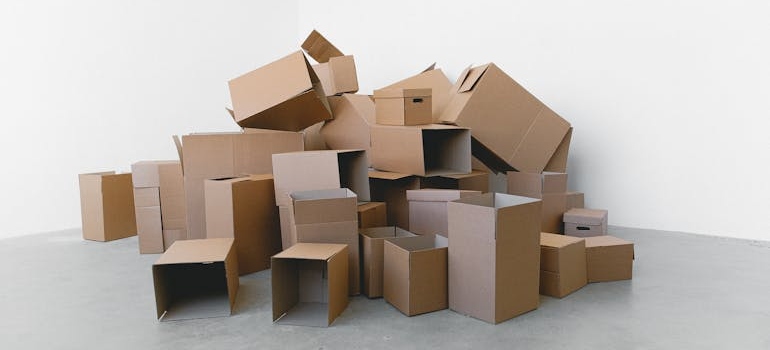
Decluttering Attics and Basements: Basement First
Begin by creating three zones: keep, donate, and discard. Basements often contain duplicates of household items that people forget about. Check shelves for expired cleaning supplies, half-used paint cans, broken tools, and outdated electronics. Most professional moving companies cannot move these, so they need proper disposal. This step alone makes decluttering attics and basements significantly easier later because it reduces your overall inventory.
Inspect heavy items such as workout equipment, dehumidifiers, shelving units, or old furniture. Decide if they are worth transporting to your new home. In many cases, replacing these items is cheaper than moving them. This is a realistic part of downsizing attics and basements, especially when you are moving long-distance or into a smaller property.
Evaluate Tools and Equipment
Sort your tools by what you use at least twice a year. Keep essentials like drills, screwdrivers, wrenches, garden equipment, and seasonal maintenance tools. Donate duplicates or outdated units to community workshops or neighbors. Pack tools in sturdy, small boxes to prevent injuries. Remove batteries from power tools and pack them separately.
If you store sports equipment in your basement, categorize it by season and condition. Keep functional items, sell or donate unused gear, and discard damaged equipment. This step removes bulk and lowers moving costs.
Organize Bins and Long Term Storage
Many basements become dumping grounds for mixed bins. Open every box. Label all contents accurately. Combine similar categories such as holiday lights, party supplies, cables, or camping equipment. Vacuum-seal soft items to save space. Place heavier items at the bottom of each box and use padding around electronics or glass pieces. If your basement is damp, run a dehumidifier for a day before packing. Avoid moving moldy items. Moving companies will not accept boxes affected by moisture because they can damage other cargo.
Prepare Basement Items for Movers
Once everything is sorted, pack the basement in stages. Heavy boxes should be clearly labeled for the movers. Appliances like freezers or refrigerators must be emptied, cleaned, and dried for 24 hours before transport. Roll extension cords and tape them to the appliances. Secure removable shelves to avoid damage. This careful preparation shortens loading time and ensures safe delivery. For faster, safer, and time-saving packing, use the professional packing services Marietta companies offer.
Decluttering Attics and Basements: Attic Second
Attics usually hold sentimental or forgotten objects that require more time to evaluate than basements. Begin by clearing walkways so you can reach every corner safely. Bring bags, boxes, a flashlight, and gloves. As with basements, sort items immediately into keep, donate, or discard. This area often contains holiday décor, old toys, craft boxes, vintage clothing, photo albums, books, and inherited items. The goal here is practical decision-making during downsizing of attics and basements, so you avoid transporting unnecessary objects to your new home.
Sort Seasonal Décor and Memorabilia
Holiday items should be evaluated for condition and usefulness. Many décor pieces get damaged from heat or years of storage. Keep items that have sentimental value or are still functional. Use dedicated plastic bins for ornaments, lights, wreaths, and fragile pieces. Add padding and clear labels. Avoid cardboard boxes because attics can have high temperatures that weaken cardboard.
Memorabilia such as old photos or childhood crafts should be digitized if you struggle to part with them. Scanning and storing them digitally reduces clutter while keeping memories preserved. Keep only the most meaningful physical items. However, if you cannot part with the physical copies, use the best packing tips for old photos and pack like a pro.
Handle Old Clothing and Textiles
Many people store clothing in attics without realizing how heat and moisture affect fabric. Sort items by condition. Donate wearable clothes and recycle damaged textiles. Vacuum sealing is ideal for long-term storage, but only keep what you genuinely plan to wear or use. This practical approach strengthens decluttering attics and basements because clothing often takes up unnecessary space.

Check for Fragile and Vintage Items
Attics often contain vintage furniture, frames, mirrors, or old trunks. Inspect everything for damage. Decide whether each piece fits your new home’s layout. If a vintage item needs repairs, assess whether the cost is worth it. Pack fragile items in thick padding and double-wall moving boxes. Label them clearly so movers handle them carefully.
Final Steps of Decluttering Attics and Basements Before the Move
After completing the process of decluttering attics and basements, walk through both spaces to ensure nothing remains overlooked. Clean shelves, sweep floors, and remove empty bins. This moment is also ideal for one last round of downsizing attics and basements to remove anything unnecessary before your movers arrive. By following a clear order and practical system, you reduce clutter, save money on packing supplies, and make your move significantly easier. Decluttering attics and basements gives you a streamlined inventory and a much smoother relocation experience. And for the best moving experience, our apartment movers in Atlanta GA are here for you.